Vacationer Caravans: Revolutionizing Travel and Leisure
Introduction
In the ever-evolving world of travel and tourism, vacationer caravans have emerged as a dynamic and versatile accommodation option, captivating travelers seeking unique and immersive experiences. This comprehensive article delves into the multifaceted world of vacationer caravans, exploring their definition, global impact, economic significance, technological innovations, regulatory frameworks, challenges, and their transformative potential in the leisure sector. By the end, readers will gain a profound understanding of this travel trend and its implications for the industry at large.
Understanding Vacationer Caravans: A Definition and Historical Perspective
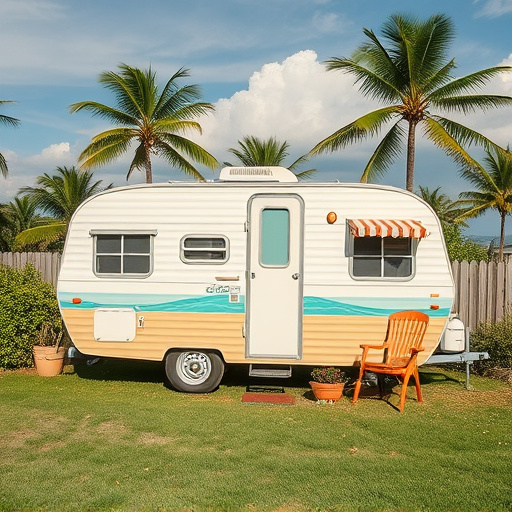
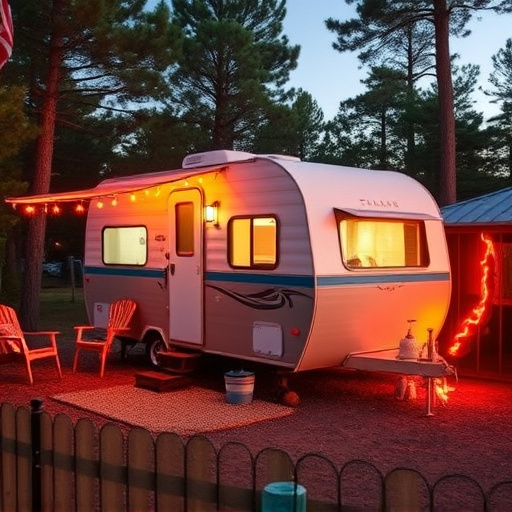
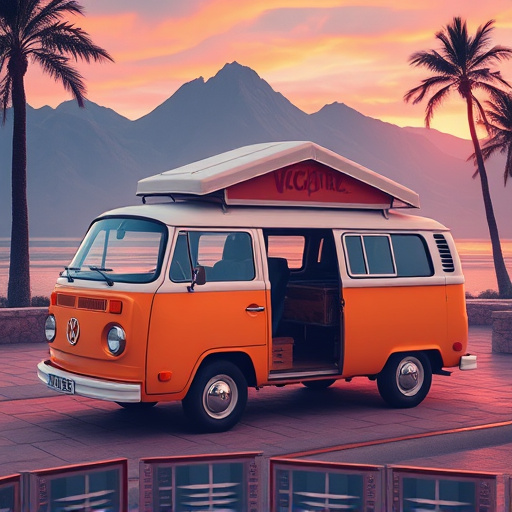
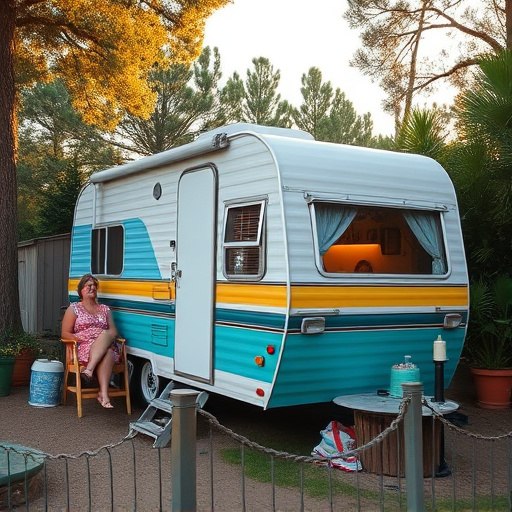
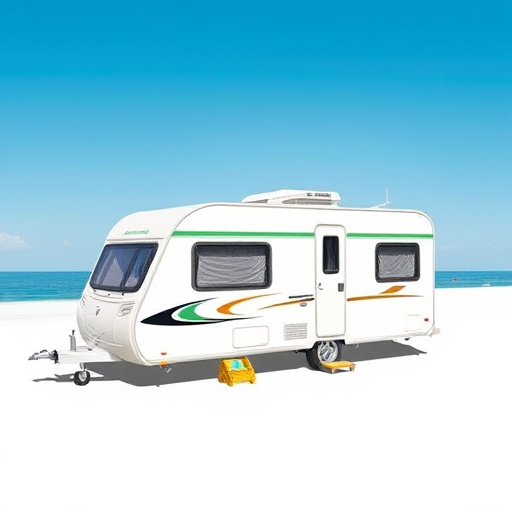
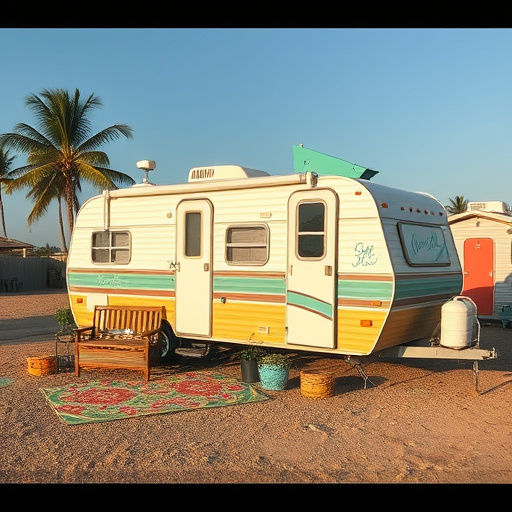
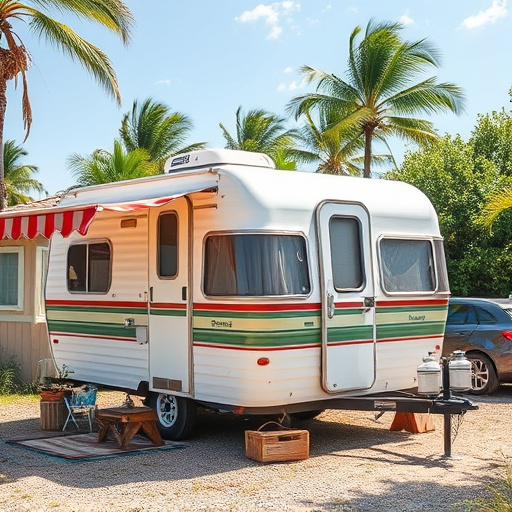
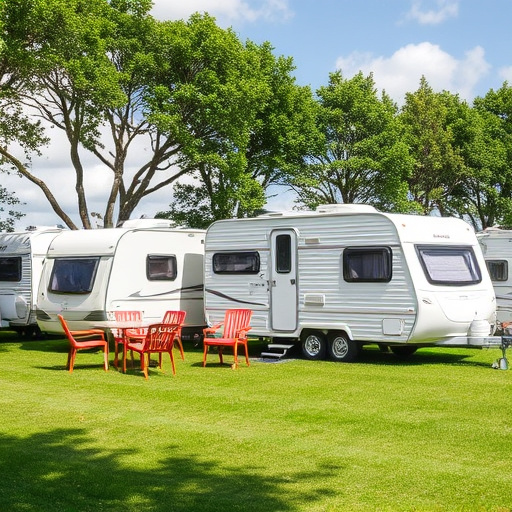
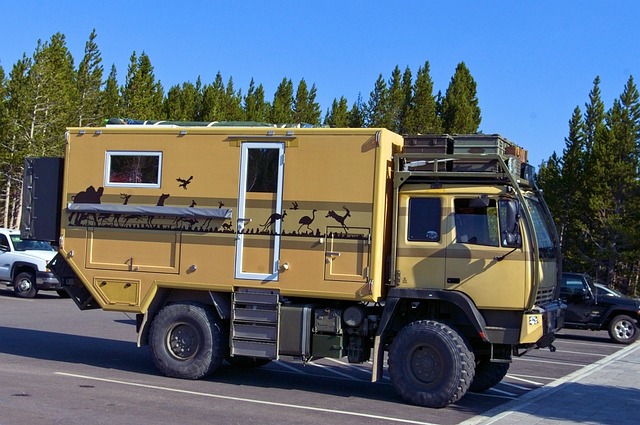
Vacationer caravans, also known as recreational vehicles (RVs) or motorhomes, are motorised or non-motorised vehicles designed for extended periods of living away from home. These versatile structures range from simple camping trailers to luxurious, fully equipped mobile homes on wheels. The concept has evolved over time, reflecting changing travel preferences and technological advancements.
Historically, caravans originated as early as the 18th century, with simple designs serving as temporary shelters for nomadic populations and traveling traders. Over the years, they transformed into more sophisticated forms, incorporating amenities like running water, electricity, and cooking facilities. The post-World War II era saw a surge in popularity, driven by returning veterans seeking affordable housing solutions, which led to the development of modern recreational vehicles.
Today, vacationer caravans cater to a diverse range of travelers, from adventure seekers exploring remote locations to families seeking convenient and comfortable accommodations during their holidays.
Global Impact and Trends: A World-Wide Phenomenon
The popularity of vacationer caravans has spread across continents, reflecting a growing global trend towards experiential travel and a desire for flexible, self-contained accommodation options. Several factors contribute to this phenomenon:
-
Accessibility and Convenience: Caravans provide easy access to remote locations, allowing travelers to explore untouched landscapes and experience diverse cultures with relative ease.
-
Cost-Effectiveness: For families and budget-conscious travelers, caravans offer a cost-efficient alternative to traditional hotels, especially when multiple destinations are on the itinerary.
-
Flexibility and Freedom: The ability to travel at one’s own pace, stop wherever desired, and have a home away from home has appealed to wanderlust enthusiasts worldwide.
Regional trends reveal unique variations:
| Region |
Popular Caravan Types |
Unique Features |
| North America |
Class A Motorhomes, Fifth Wheels |
Spacious interiors, advanced technology, and easy access to national parks |
| Europe |
Campervans, Travel Trailers |
Compact designs, excellent fuel efficiency, and extensive networking of caravan sites |
| Australia |
Off-Road Caravans, Pop-Top Campers |
Built for diverse terrain, innovative storage solutions, and outdoor entertainment features |
| Asia |
Mini Caravans, Houseboats |
Space-efficient models, cultural integration, and unique aquatic experiences |
Economic Considerations: A Growing Market with Diverse Dynamics
The vacationer caravan industry is a significant contributor to global tourism economies, generating substantial revenue through various channels:
-
Accommodation: Caravan parks and campgrounds offer a range of sites for short-term or long-term stays, providing a steady income stream.
-
Sales and Rentals: The market for purchasing or renting caravans has expanded, catering to both full-time travelers and occasional users.
-
Accessories and Services: From camping gear to maintenance services, the industry supports a network of related businesses, fostering local economies.
Market trends indicate robust growth:
-
According to a 2022 report by the International Caravan Association, global RV sales reached an all-time high, with a 12% increase compared to the previous year.
-
The North American market, led by the United States, accounts for approximately 40% of global RV ownership, followed by Europe and Australia.
-
Emerging markets in Asia and South America are witnessing rapid growth due to increasing disposable incomes and a growing middle class.
Technological Advancements: Enhancing the Caravan Experience
Technology plays a pivotal role in modernizing vacationer caravans, enhancing comfort, safety, and connectivity:
-
Smart Home Integration: Modern caravans incorporate smart home systems, allowing owners to control lighting, temperature, and security remotely via smartphone apps.
-
Satellite Connectivity: High-speed internet access through satellite technology enables travelers to stay connected, stream media, and work remotely while on the move.
-
Energy Efficiency: Solar panels, advanced insulation, and energy-efficient appliances contribute to sustainable travel, reducing environmental impact.
-
Driver Assistance Systems: Similar to automotive innovations, caravan-specific systems aid in parking, navigation, and collision avoidance, enhancing safety.
These advancements cater to the growing demand for technology-integrated experiences among modern travelers.
Policy and Regulation: Navigating Legal Landscapes
The legal framework surrounding vacationer caravans varies across jurisdictions, reflecting differing cultural norms, priorities, and infrastructure capabilities. Key regulatory aspects include:
-
Vehicle Registration: Caravans are subject to vehicle registration requirements, with specific regulations regarding size, weight, and safety standards varying by region.
-
Road Safety Laws: Driver licensing, speed limits, and drinking age restrictions are critical considerations for ensuring safe caravan operation.
-
Camping and Parking Regulations: Local authorities enforce rules regarding designated caravan parks, campgrounds, and legal parking areas to prevent unauthorized occupancy and maintain public order.
-
Environmental Protection: Measures to minimize waste, promote sustainable practices, and protect natural resources are essential, especially in ecologically sensitive areas.
Challenges and Criticisms: Overcoming Obstacles for Sustainable Growth
Despite its popularity, the vacationer caravan industry faces several challenges that require strategic solutions:
| Challenge |
Potential Solutions |
| Environmental Impact: High energy consumption and waste generation are concerns. |
Implement eco-friendly technologies, promote recycling programs, and encourage sustainable practices among users. |
| Traffic Congestion: Caravans can contribute to road congestion, especially in popular travel routes. |
Develop specialized caravan-only lanes, optimize traffic flow management, and educate drivers on safe passing techniques. |
| Inadequate Infrastructure: Some regions lack adequate caravan parks or facilities, limiting accessibility. |
Invest in infrastructure development, encourage public-private partnerships, and promote responsible camping practices. |
| Stereotype of ‘Van Life’ Culture: Overgeneralizations and romanticized portrayals may deter potential users. |
Promote diversity and authentic experiences, address safety concerns, and showcase the practical benefits of caravan travel. |
Case Studies: Real-World Success Stories
Case Study 1: New Zealand’s Eco-Caravan Revolution
New Zealand has embraced vacationer caravans as a sustainable tourism solution, particularly in remote areas. The country’s “Eco-Camping” initiative promotes environmentally friendly caravan parks, encouraging travelers to explore nature without leaving a trace. This approach attracts eco-conscious tourists and supports local conservation efforts.
Case Study 2: Australia’s Off-Road Caravan Communities
Australia’s vast interior has fostered a strong culture of off-road caravanning among adventurous travelers. The “Outback Caravanning Clubs” provide support, shared experiences, and access to remote locations, fostering a sense of community among like-minded individuals.
Future Prospects: Emerging Trends and Strategic Considerations
The vacationer caravan industry is poised for further growth and transformation, driven by several emerging trends:
-
Sustainable Tourism: The demand for eco-friendly options will drive the development of green caravan parks, electric charging stations, and waste reduction initiatives.
-
Technology Integration: Artificial intelligence, augmented reality, and blockchain technology may enhance booking systems, personalizing travel experiences and streamlining administrative processes.
-
Niche Market Expansion: Specialized caravans tailored to specific interests, such as family-friendly amenities or off-grid adventure gear, will cater to diverse traveler needs.
-
Global Connectivity: As digital nomads embrace remote work, the demand for well-connected caravan sites with reliable internet access is expected to rise.
Conclusion: A Dynamic Landscape Shaping Travel and Leisure
Vacationer caravans have evolved from simple camping tools to sophisticated mobile homes, offering travelers unparalleled flexibility, convenience, and immersive experiences. This article has explored various facets of this industry, from its historical roots to global trends, economic significance, technological innovations, and regulatory considerations. By addressing challenges and showcasing successful implementations, we highlight the potential for sustainable growth and positive societal impact.
As the world continues to embrace experiential travel, vacationer caravans are poised to play a pivotal role in shaping the future of leisure and tourism, offering travelers a unique way to explore and connect with our diverse global landscapes.
FAQ Section: Answering Common Queries
Q1: What are the essential features to consider when buying a vacationer caravan?
A: Key factors include size and layout suitable for your needs, engine power and fuel efficiency, safety features (breakdown assistance, emergency kits), and advanced amenities like entertainment systems and smart home capabilities.
Q2: Are there specific destinations best suited for caravan travel?
A: Absolutely! National parks, coastal regions, and rural areas often provide ideal terrain and scenic beauty for caravans. Research local regulations and facilities to ensure a comfortable and enjoyable experience.
Q3: How can I find reliable caravan parks or campgrounds?
A: Online booking platforms dedicated to caravans are a great starting point. Additionally, local tourism boards and caravan associations can provide recommendations based on your destination and preferences.
Q4: Can technology really enhance my caravan experience?
A: Absolutely! Smart home integration, satellite internet, and advanced driver assistance systems can significantly improve comfort, safety, and connectivity during your travels.
Vacationer Caravans offer a unique Australian travel experience, combining open-road freedom with home comfort. With models suited for diverse landscapes and adventures, these caravans range from compact to luxurious. Modern versions boast advan…….
Continue Reading
Vacationer Caravans (RVs) provide a versatile and spacious solution for leisure travel, offering home-like amenities while exploring new destinations. With various sizes, layouts, and features, they cater to different needs and preferences, from…….
Continue Reading
Vacationer caravans (RVs) have evolved from basic 20th-century camping tools into luxurious homes on wheels, driven by post-WWII leisure trends and technological advancements. Modern models offer diverse styles, sizes, and features catering to v…….
Continue Reading
Vacationer caravans offer a unique travel experience by blending home comfort with exploration. These self-contained vehicles provide flexible living spaces, modern amenities, and suitable designs for diverse travel styles. With options from com…….
Continue Reading
Vacationer caravans, or campervans, offer immersive travel with living quarters and driving capabilities, catering to various sizes and preferences. Using a comparison tool simplifies the buying process by aggregating data on size, amenities, pr…….
Continue Reading
Vacationer caravans provide versatile, comfortable, and affordable travel options, catering to families, couples, and solo travelers. Their online brochure, rich in visuals and interactive elements, showcases luxurious interiors and innovative f…….
Continue Reading
Vacationer caravans (motorhomes) offer comfortable mobile living with various sizes, layouts, and amenities like kitchens and bathrooms. The sturdy chassis provides essential mechanical components for movement, while robust exterior materials en…….
Continue Reading
Vacationer Caravans, integral to Australian travel culture, offer adventurers a unique way to explore the nation's diverse landscapes. These versatile vehicles range from basic to luxurious, catering to all budgets and preferences. Modern m…….
Continue Reading
In Australia, offroad caravanning is gaining popularity due to the country's diverse landscapes and adventurers' desire for immersive experiences. Vacationer Caravans respond to this trend with specialized, robust models designed for r…….
Continue Reading
Vacationer Caravans offer flexible and comfortable solutions for families exploring new places. With diverse layouts, they cater to various needs, from private retreats with end-bed configurations to compact designs maximising interior volume. M…….
Continue Reading
Vacationer caravans offer a versatile and comfortable way to explore nature, catering to diverse travelers with various models from compact campervans to family-sized options. Key features include well-equipped kitchens, spacious living areas, i…….
Continue Reading
Vacationer Caravans offer a unique travel experience by enabling adventurers to explore remote destinations independently and immersively. These self-sufficient mobile homes are designed with compact yet functional features like solar panels, wa…….
Continue Reading
Vacationer caravans (RVs) offer flexible, immersive travel experiences tailored to diverse needs, from couples to families. With various types, sizes, and features—from compact trailers to spacious motorhomes—travelers can choose bas…….
Continue Reading
Vacationer Caravans offer a unique blend of comfort and freedom, ideal for exploring Australia's diverse landscapes. Their compact yet spacious designs feature modern amenities, ensuring a home-away-from-home experience. The market offers a…….
Continue Reading
Vacationer caravans, or off-grid RVs, offer a unique and sustainable way to explore nature while enjoying home comforts. These versatile vehicles allow access to remote destinations and feature eco-friendly features like solar panels and water f…….
Continue Reading
Australian travelers seeking flexible, comfortable exploration of the nation's diverse landscapes turn to Vacationer Caravans (campervans). These versatile vehicles offer a range of amenities from basic to luxurious, catering to short getaw…….
Continue Reading
Vacationer caravans (recreational vehicles) offer families and couples a blend of comfort and adventure, featuring amenities like cozy sleeping quarters and modern kitchens for home-like convenience while exploring new destinations. With models…….
Continue Reading
Vacationer Caravans are modern travel solutions catering to diverse adventurer types, offering spacious interiors, well-equipped kitchens, and comfortable sleeping arrangements across various models. From budget-friendly basics to top-line luxur…….
Continue Reading
Vacationer caravans (recreational vehicles) offer a unique blend of comfort and mobility for leisure travel, featuring spacious interiors with essential amenities like sleeping areas, kitchens, bathrooms, and entertainment systems. These versati…….
Continue Reading